Are Heat Pumps Right for Your Home?
Heat pumps work extremely well in Maine homes when they are properly designed and installed for your specific home.
At Royal River Heat Pumps, we’ve installed thousands of heat pumps over more than a decade in business, and we always evaluate every house individually. Here are the primary factors that we use to determine whether heat pump installation is the right fit for a customer.
Your Home's Insulation and Air Sealing
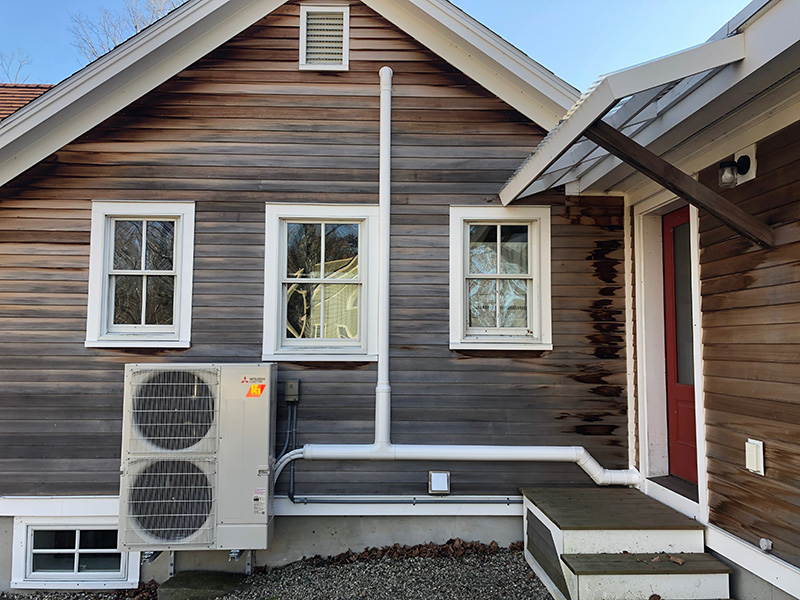
Heat pumps perform best in houses that are well insulated and air sealed.
Unlike boilers that produce very high-temperature heat in short bursts, heat pumps deliver steady, lower-temperature heat over longer periods (this is partly why they are so much more efficient). But if a home loses significant heat through poor insulation or air leakage, the system must work harder and be sized larger to maintain comfort.
That does not mean older Maine homes are excluded. Many perform very well with heat pumps. However, improving insulation and air sealing allows for a smaller, more efficient system that costs less to operate and delivers more consistent comfort.
At Royal River Heat Pumps, we’ll evaluate your home’s insulation levels and check for air leaks that might affect heat pump performance.
Your Existing Heating System
Heat pumps can replace a furnace or boiler entirely, or they can operate as a supplemental system alongside existing equipment.
In many Maine homes, a supplemental configuration makes sense. The heat pump handles the majority of heating (and all the cooling) throughout the year, while the existing oil or gas system remains in place for extreme cold or peak demand.
The right approach depends on fuel type, equipment condition, and homeowner preference. Royal River Heat Pumps designs systems based on long-term comfort and reliability, not a one-size-fits-all formula.
Your Home's Layout and Airflow
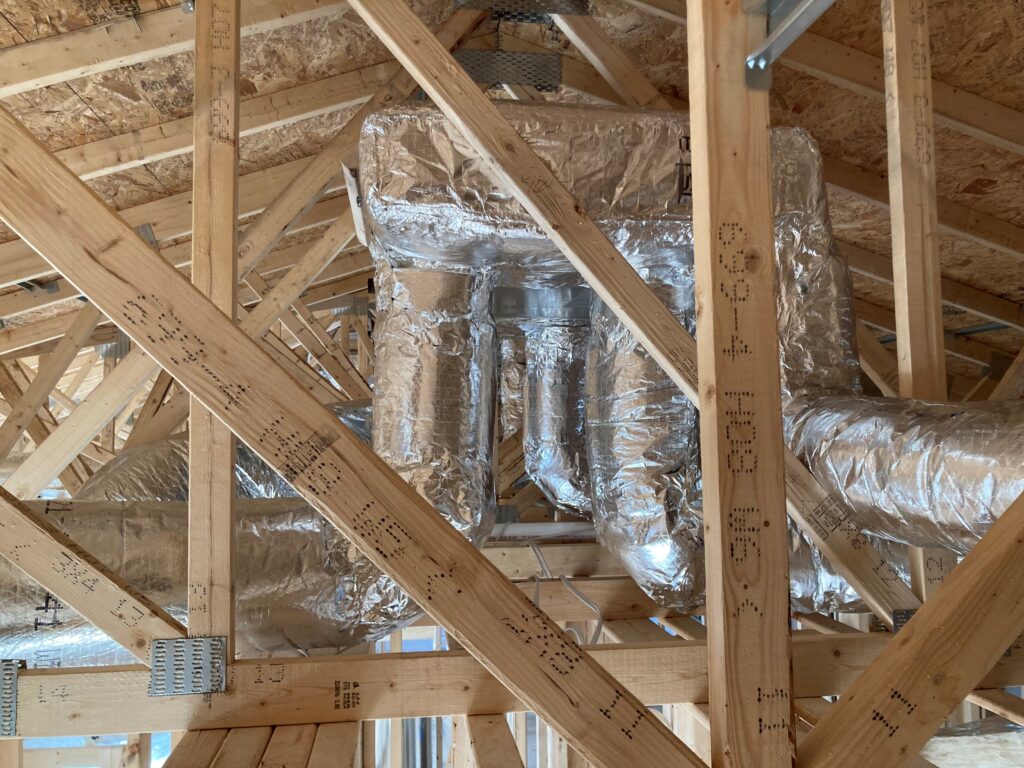
Open floor plans allow heat to distribute more easily. Homes with multiple small rooms, long hallways, or complex additions may require more careful design.
Proper airflow and distribution are critical to comfort and heat pump performance. That is why we perform detailed load calculations and evaluate how air will move throughout the house before recommending equipment.
The goal is balanced temperatures in every room, instead of one room that feels perfect while others lag behind.
Your Home's Electrical Capacity
Because heat pumps operate on electricity, your home’s electrical panel and service capacity must be considered.
In many cases, existing panels are sufficient. In others, an upgrade may be recommended as part of a broader home electrification plan. This is not a barrier to heat pump installation, but it is an important part of our assessment process. We do this during the design phase so there are no surprises when it’s time to install your heat pump.
Heat Pumps Feel Different Than Oil or Gas Heat
Heat pumps are designed to maintain a steady indoor temperature. They run longer at lower output instead of turning on at full intensity and shutting off quickly like a traditional boiler or furnace.
Because of that, they are not meant to be constantly adjusted. Turning the thermostat up and down can reduce efficiency and make comfort less consistent.
At Royal River Heat Pumps, we walk you through exactly how your system operates after installation. We explain what to expect, how your thermostat or remote works, and best practices for everyday use so your system delivers the comfort it was designed to provide.
Maine Heat Pump Installation Done the Right Way
Royal River Heat Pumps focuses exclusively on residential heat pump installation, and that focus shapes how every recommendation is made.
Over the years, we have seen heat pumps installed by other contractors in homes where the system was never going to deliver the comfort the homeowner expected. In many cases, the warning signs were visible from the start.
Royal River Heat Pumps will never install a system that is unlikely to perform the way you expect it to. If a heat pump is the right solution, we will design it properly. If additional planning or improvements are needed first, we will explain that clearly.