Uncategorized

Uncategorized

Do Heat Pumps Work in the Winter?

Short answer: Yes.

Longer answer: Yes, when they are properly designed for Maine.

There is still a lingering belief that heat pumps only work in mild, more southern climates. That may have been true decades ago. It is not true today.

The modern cold-climate heat pumps installed by Royal River Heat Pumps are engineered specifically for northern winters. The real question is not whether they work. It is how they perform when temperatures drop, and whether they are installed correctly.

How Cold Can Heat Pumps Still Work During Maine Winters?

Heat pumps do not “shut off” at 32°F. Even when outdoor temperatures fall well below freezing, there is still heat energy in the air. Cold-climate systems are designed to extract that heat and concentrate it indoors.

That doesn’t mean that your heat pump will continue running like it would at 40°F. As temperatures drop, two things happen:

  1. The system’s heating capacity gradually decreases.
  2. Efficiency declines compared to mild conditions.

However, the Mitsubishi Electric heat pumps installed by Royal River Heat Pumps can deliver their full heating output even when outdoor temperatures drop to 5°F. They are designed to continue operating at temperatures as low as -13°F, rather than shutting down when it gets extremely cold. In southern Maine, the majority of winter hours fall within the temperature range where these systems operate very efficiently.

Extreme subzero stretches do happen in our area, but they represent a relatively small portion of the overall heating season.
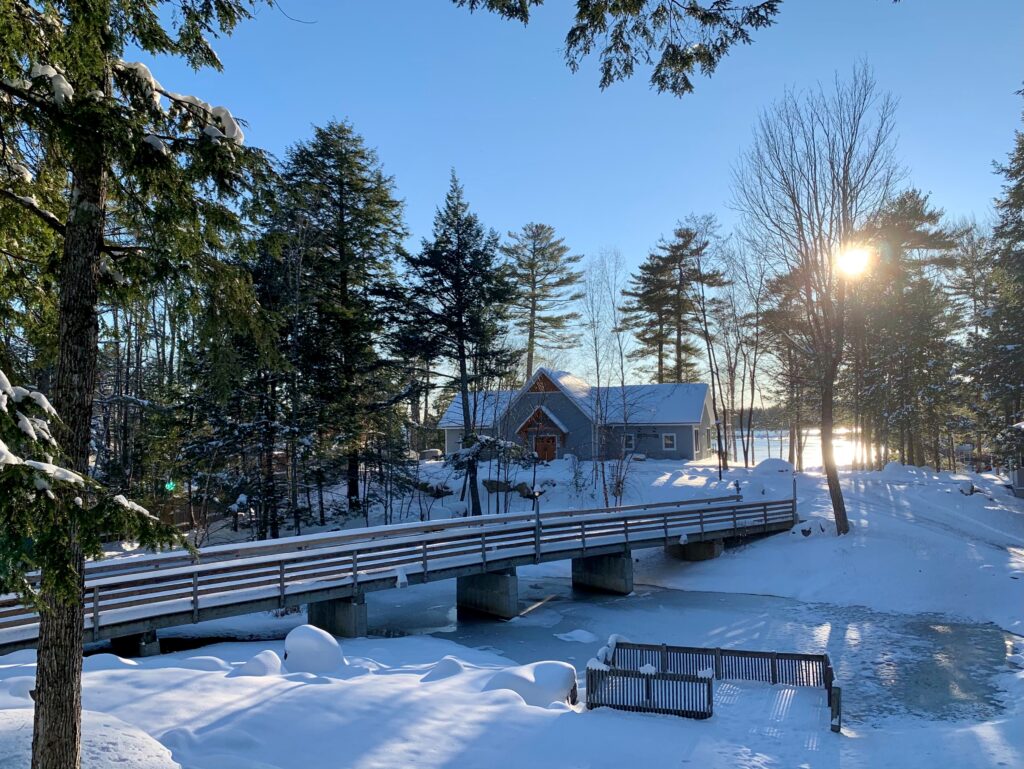
What Happens During a Maine Cold Snap?

When temperatures drop into the single digits or below zero for extended periods, a properly designed heating system continues running.

In homes where heat pumps are acting as a supplemental system, the existing oil or gas system may assist during the coldest hours. That’s by design. A supplemental system is intended to handle the majority of heating throughout the season while preserving backup capacity for extreme conditions.

In properly sized whole-home systems, heat pumps are selected based on the home’s heating load, insulation levels, and airflow characteristics. The goal is steady comfort, and we’ll never install a stand-alone heat pump in a house if we don’t think it will keep that home warm all winter long.

What Is Heat Pump Defrost Mode?

During winter operation, heat pumps periodically enter defrost mode.

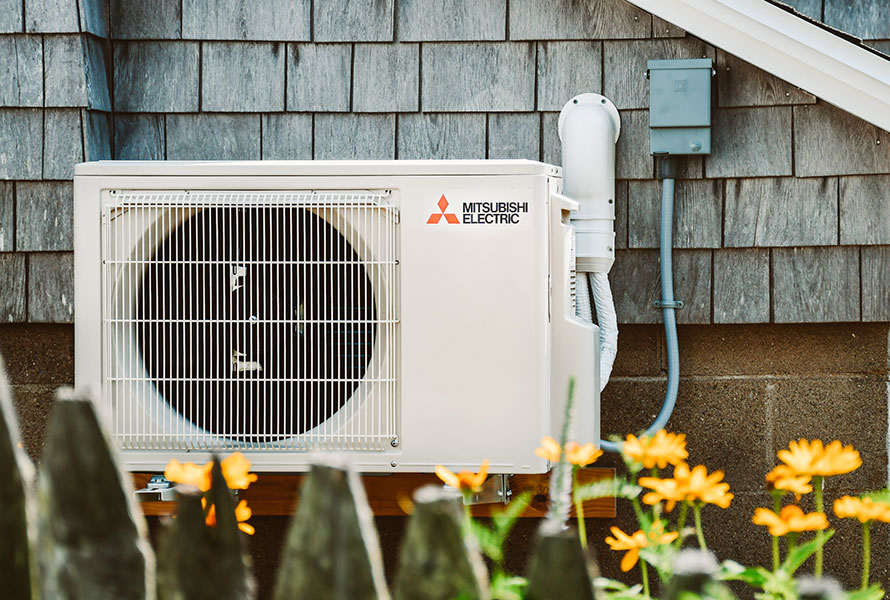
When the outdoor coil becomes frosted, the system temporarily reverses operation to melt the ice. You may see steam rising from the outdoor unit or hear the fan slow down briefly. Water may drain from the bottom of the unit.

Defrost cycles are automatic and typically last only a few minutes. A properly installed system returns to heating mode quickly without significant impact on indoor comfort.

Why Do Some People Think Heat Pumps Don't Work in Winter?

In most cases, it is not the equipment. It is the installation.

We have seen heat pumps oversized just to qualify for rebates, undersized to reduce upfront cost, or placed in locations where airflow cannot distribute properly throughout the home.

In those scenarios, the living room may feel warm while bedrooms lag behind. Or the system may struggle during cold stretches because the home’s insulation and air sealing were never evaluated.

When a system is designed based on building science principles and accurate load calculations, heat pump winter performance looks very different.

How Royal River Heat Pumps Designs Systems for Maine Winter Performance

Modern cold-climate heat pumps absolutely work in Maine winters.

They provide steady, efficient heating through the vast majority of the season. During extreme cold events, properly designed systems either continue operating effectively or take advantage of the supplemental trading heating system if configured to do so.

The difference between success and frustration is not the technology, but proper design, sizing, and installation.

At Royal River Heat Pumps, we exclusively install residential heat pump systems in Freeport and the surrounding coastal region, from Kennebunkport to Boothbay Harbor. We’ve installed thousands of heat pumps in Maine since 2013. Visit our Testimonials page to hear from the many Mainers who love their heat pumps and rely on them all winter long.
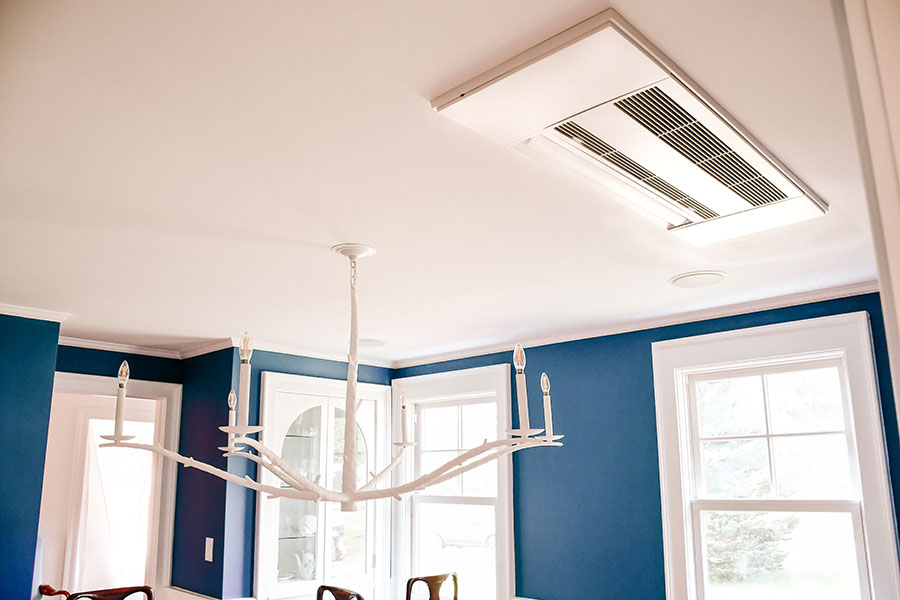
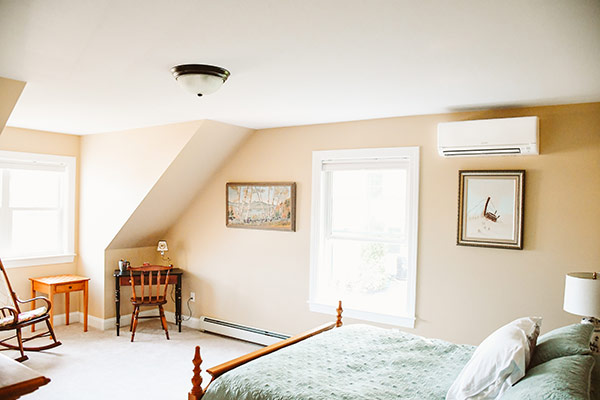
If you are considering a heat pump and want an honest assessment of how it would perform in your home, we are ready to help you explore your options.

Call 207-400-4065 or contact us online to schedule a free consultation and learn more about cold climate heat pump installation from Royal River Heat Pumps.

See What Our Customers Are Saying

Uncategorized

Ducted Heat Pumps vs. Mini-Splits: What’s Best for Your Maine Home?

Both ducted heat pumps and ductless mini-splits can perform extremely well in Maine. The right choice comes down to your home’s layout, existing ductwork, comfort goals, and how the system is designed.

At Royal River Heat Pumps, this is one of the most common conversations we have with homeowners, and our answer is always, “The equipment matters. The design matters more.”

What Is a Ducted Heat Pump System?

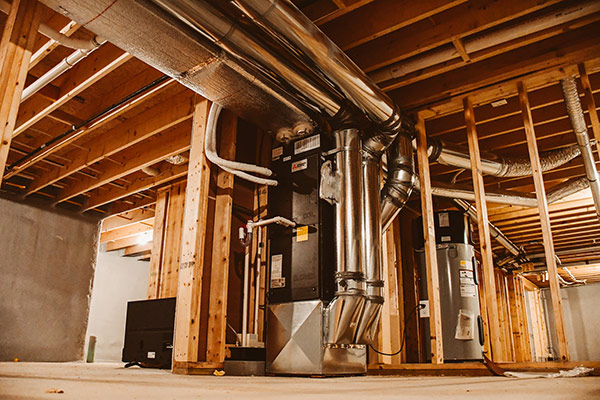
A ducted heat pump system uses a central air handler connected to ductwork that distributes heated or cooled air throughout the home.

It feels similar to a traditional central furnace and AC setup. Conditioned air is delivered through supply vents, and return ducts bring air back to the system to be reheated or recooled.

When properly designed, a ducted system can provide:

  • Even whole-home comfort
  • Hidden equipment with no visible wall units
  • A familiar thermostat-based experience

However, ducted systems rely heavily on the quality of the ductwork itself. Undersized, poorly sealed, or poorly routed ducts can reduce efficiency and create uneven temperatures.

What Is a Ductless Mini-Split System?

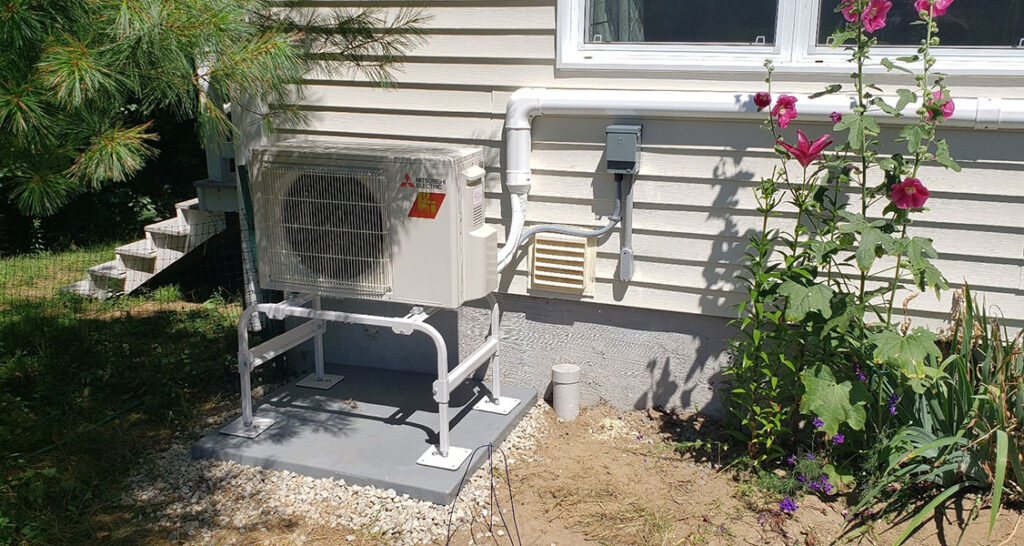
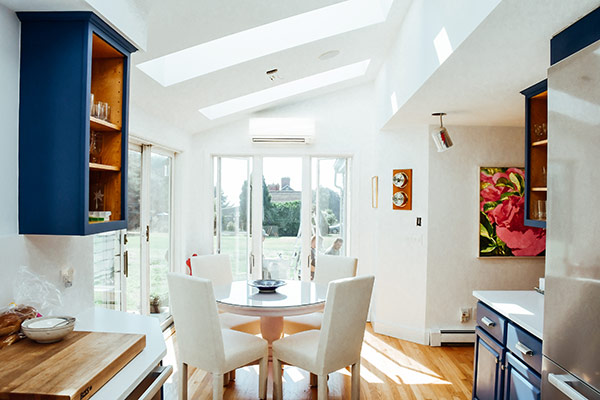
A ductless mini-split system uses one or more indoor units mounted on walls, floors, or ceilings. These indoor units connect to an outdoor heat pump via small refrigerant lines.

Because there is no ductwork, air is delivered directly into the room where the unit is installed.

Mini-splits offer:

  • Flexible zoning options
  • No wasted energy due to ductwork leaks
  • A strong solution for homes without existing ductwork
  • Targeted comfort for additions, finished basements, or upper floors

They are highly efficient and adaptable, but placement is critical. The indoor unit must be positioned where airflow can distribute properly. A unit installed in the wrong location can create comfort imbalance and wasted electricity, even if the equipment itself is high quality.

The Key Differences That Matter in Maine Homes

The choice between ducted and ductless is rarely about which system is “better.” It is about which system fits the house.

Air Distribution

Ducted systems push air through multiple vents, which can provide more uniform whole-home coverage when ducts are properly designed.

Mini-splits deliver air directly into the space where they are mounted. In open layouts, this can work beautifully. In homes with multiple small rooms and closed doors, additional units or careful planning may be required.

Existing Ductwork Condition

Many Maine homes have older duct systems that were not designed for modern heat pump airflow requirements.

Leaky or undersized ducts can reduce performance. In some cases, modifying or replacing ductwork makes sense. In others, ductless systems may be the more practical and efficient solution.

Visibility and Aesthetics

Ducted systems keep equipment mostly hidden inside your home.

Mini-splits involve visible indoor units. While many homeowners appreciate their clean, modern look, placement should always balance performance and appearance.

Outdoor unit placement and line set routing are also part of the design conversation.

When a Ducted Heat Pump Makes Sense

A ducted system may be a strong choice if:

  • Your home already has well-designed ductwork
  • You prefer a central thermostat and hidden indoor equipment
  • You are planning a renovation or major upgrade
  • Whole-home, uniform distribution is a priority

When Mini-Splits Make Sense

Mini-splits are often ideal when:

  • The home has no existing ductwork
  • You want zoning flexibility
  • You are conditioning a specific addition or area
  • You are installing a supplemental system alongside existing heat

The Mistake to Avoid

The biggest mistake is when a heat pump company recommends a ducted or ductless heat pump system for the wrong reasons.

Sometimes the choice is made based on what is easiest for them to install. In other cases, systems are configured primarily to qualify for a larger Efficiency Maine heat pump rebate.

We have seen oversized single-zone systems installed simply to meet rebate thresholds. We have also seen ducted systems connected to ductwork that was never evaluated for proper airflow. In both cases, the equipment itself may be high quality, but the comfort result is not.

How Royal River Heat Pumps Approaches Heat Pump Design

Royal River Heat Pumps does not automatically default to ducted or ductless heat pumps.

Every home is evaluated individually. We review insulation levels, duct condition, layout, electrical capacity, and long-term goals. From there, we design a system that fits the home rather than forcing the home to fit the equipment.

Both ducted heat pumps and mini-splits can perform exceptionally well in Maine winters when they are properly designed, sized, and installed. We’re proof of that, and since 2013, we’ve installed thousands of heat pumps that were the right fit for the home.

If you are considering heat pump installation and want an honest recommendation based on your specific home, Royal River Heat Pumps is ready to help you explore your options.

Call 207-400-4065 or contact us online to schedule a free consultation.

See What Our Customers Are Saying

Uncategorized

Will Heat Pumps Save You Money in Maine?

Yes, in many Maine homes upgrading to a heat pump will lower energy bills.

For every unit of electricity consumed, a heat pump can deliver multiple units of heat energy into the home. That efficiency advantage is what makes cost savings possible in many scenarios.

Homeowners who are replacing oil, propane, or electric resistance heat often see meaningful reductions in their annual heating costs after installing a properly designed cold-climate heat pump. But savings are not automatic, and they are not identical in every situation.

Your fuel type, your insulation levels, your thermostat habits, and even how much air conditioning you plan to use all influence the final outcome.

Here’s how the team at Royal River Heat Pumps thinks about cost savings associated with heat pump installation.

What Are You Heating Your Home With Today?

Oil and Propane

Homes heated with oil or propane often see meaningful reductions in heating costs after installing a properly sized cold-climate heat pump. These fuels are typically among the more expensive ways to heat a home, and replacing all or a large portion of that fuel use with efficient electric heating can reduce overall energy spending.

Electric Resistance Heat

If your home relies on electric baseboard or electric resistance heating, heat pumps will significantly reduce heating costs. Electric resistance systems create heat directly, while heat pumps move heat. That difference in efficiency translates into lower winter electric bills.

Natural Gas

Natural gas is currently one of the least expensive heating fuels available in much of Maine.

If your home is already heated with natural gas, especially at competitive utility rates, you are unlikely to see meaningful heating cost savings by switching entirely to a heat pump. In many cases, operating costs may be similar. In some scenarios, they may even be slightly higher.

Of course, just because you won’t save money immediately doesn’t mean a heat pump isn’t a worthwhile investment (see more on this below).

How Much Electricity Will You Be Using?

Heat pumps run on electricity, so your electric bill will increase when you install one if you were previously using oil, propane, or natural gas for heating. The important question is whether the increase in electric cost is lower than the decrease in oil, propane, or resistance heating cost.

You should also consider cooling. If your home never had central air conditioning and you previously relied on window units only occasionally, installing a whole-home heat pump system may increase summer electricity usage simply because you are now cooling more consistently.

Another factor we see: If oil was expensive and so you kept your home at 62°F all winter, switching to a heat pump but raising the thermostat to 68°F will naturally increase overall energy use.

Heat pumps lower the cost of each unit of heat delivered into your home. But if you choose to heat or cool more than before, your total energy use can still rise.

Heat Pump Installation Isn’t Just About Saving Money

Savings are only part of the equation. Heat pumps also provide:

  • Whole-home air conditioning
  • More even indoor temperatures and improved comfort
  • Reduced reliance on delivered fossil fuels
  • Quieter operation
  • A path toward home electrification

For many Maine homeowners, the value of year-round comfort and fuel independence is just as important as direct utility savings.

How Royal River Heat Pumps Approaches the Savings Question

At Royal River Heat Pumps, we do not promise specific dollar savings before evaluating your home. We also don’t ignore the tradeoffs.

But during your free consultation, we will review:

  • Your existing heating system
  • Insulation and air sealing
  • Electrical capacity
  • Layout and airflow
  • Your long-term goals

If a heat pump is likely to reduce your heating costs, we’ll explain how. If the savings are expected to be modest or depend heavily on usage patterns, we’ll tell you.

We’ll never sell you a system based on unrealistic claims. Our goal is to design a solution that delivers comfort, reliability, and strong long-term performance in Maine’s climate.

If you are considering upgrading your home and want an honest assessment of exactly what to expect, Royal River Heat Pumps is the heat pump company to talk to. Since 2013, we’ve installed thousands of heat pumps in homes from Kennebunkport to Scarborough, Portland, Freeport, and up to Boothbay Harbor.

Visit our testimonials page to see how happy Mainers are when they choose Royal River.

Call 207-400-4065 or contact us online to schedule a free consultation.

See What Our Customers Are Saying

Uncategorized

Holiday Closures

Please note that we will be closed December 24 through January 2 for our annual holiday break so that our employees will have time with their families. We will reopen on January 3, 2022.